Copenhagen Day Tours
I’m Serious Day Tour Man AI, your day trip expert. Ask me anything — where to go, how to get there, and what’s actually worth your day.
Copenhagen’s day trips run on one commuter rail line and one international bridge: Hamlet’s actual castle and one of the world’s great modern-art museums share the same coastal track north, forty kings and queens lie buried under one cathedral’s floor to the west, and Sweden — passport ready — is thirty-five minutes across the Øresund by train.
The Copenhagen Card question gets settled early: for castle-and-museum days it routinely pays for itself in transport and entries combined, which reorganizes the math of everything below. The city block covers Nyhavn as it is, the Christiania rules, and the smørrebrød order.
Here’s what’s worth a day, with real times and honest trade-offs.
Popular Day Trips
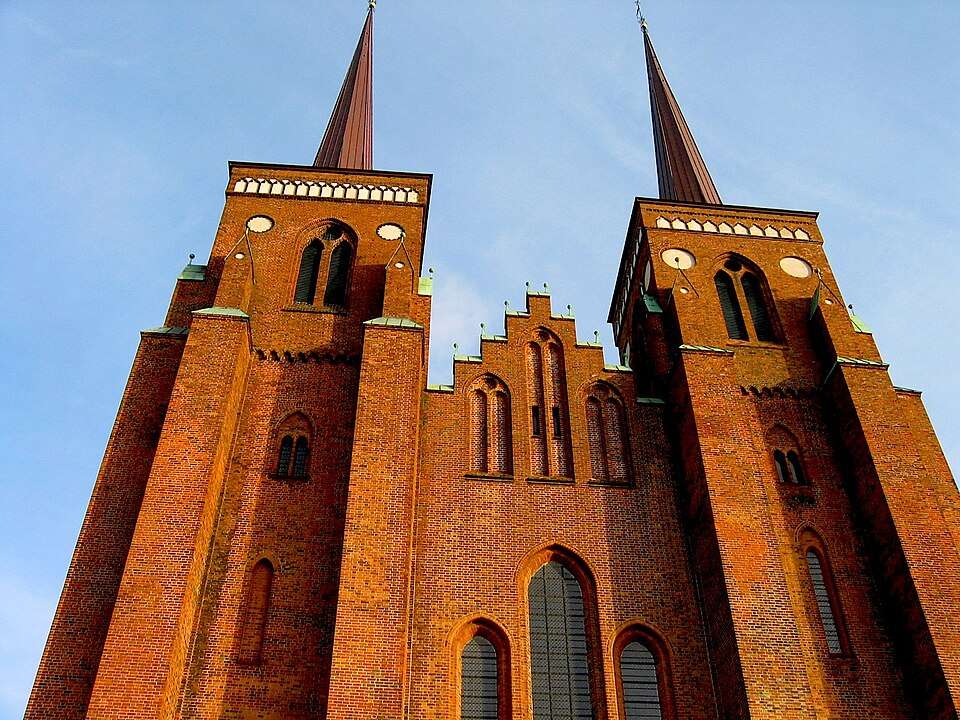
Roskilde
The 25-Minute Train, the Royal Cathedral
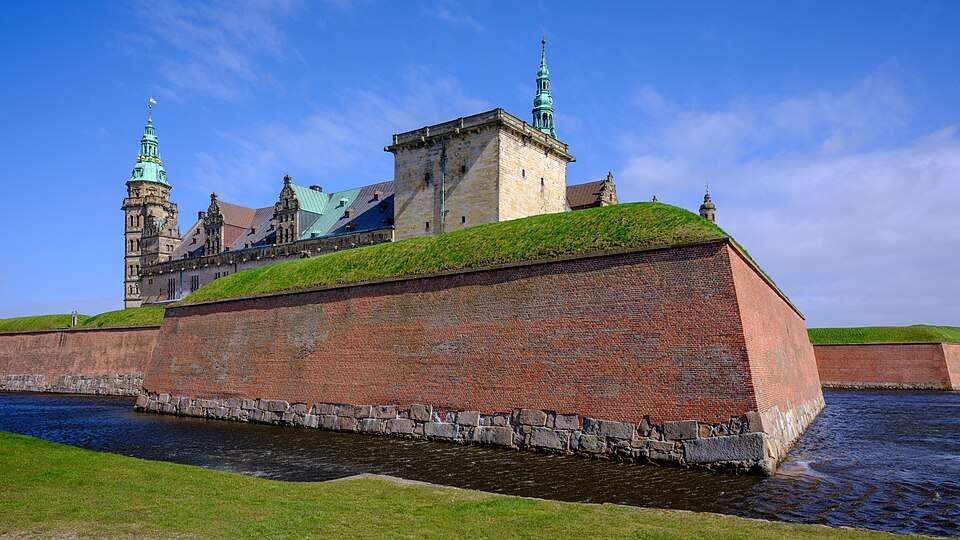
Kronborg
The 45-Minute Train, Hamlet’s Actual Castle
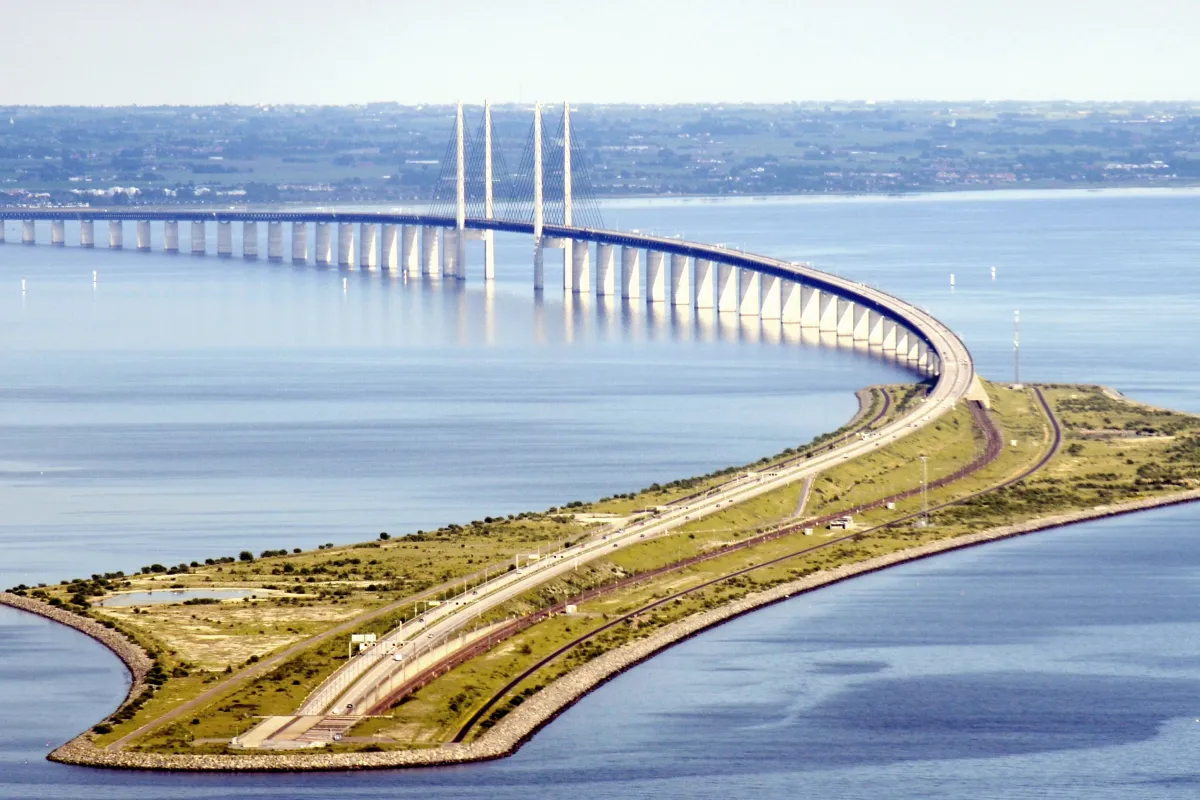
Malmö
The Bridge, the Passport Rule
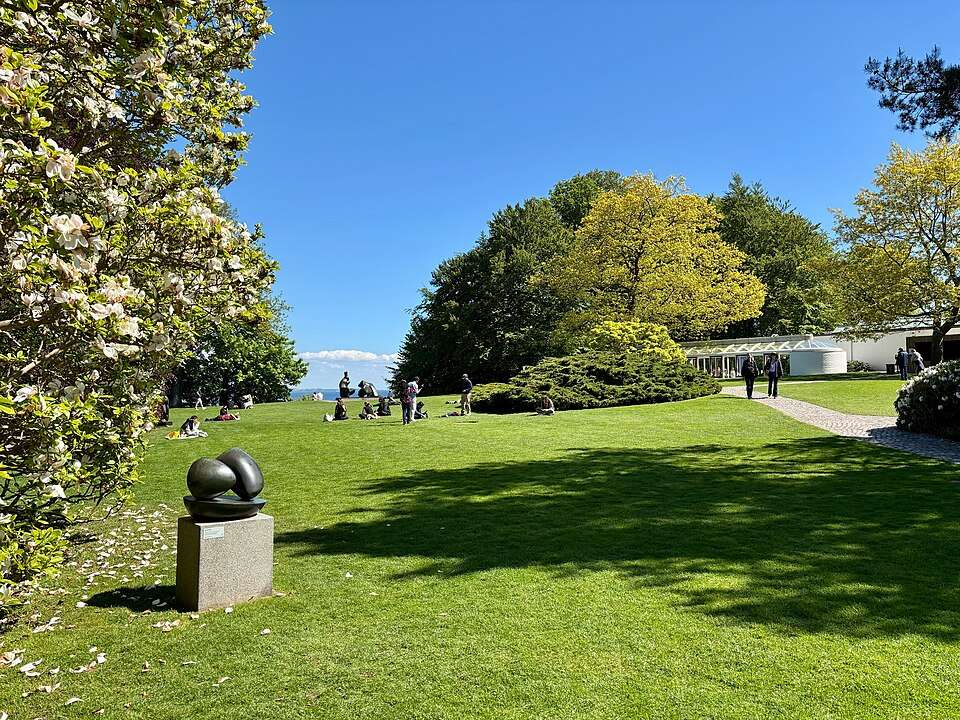
Louisiana
The Humlebæk Train, the Giacometti Window
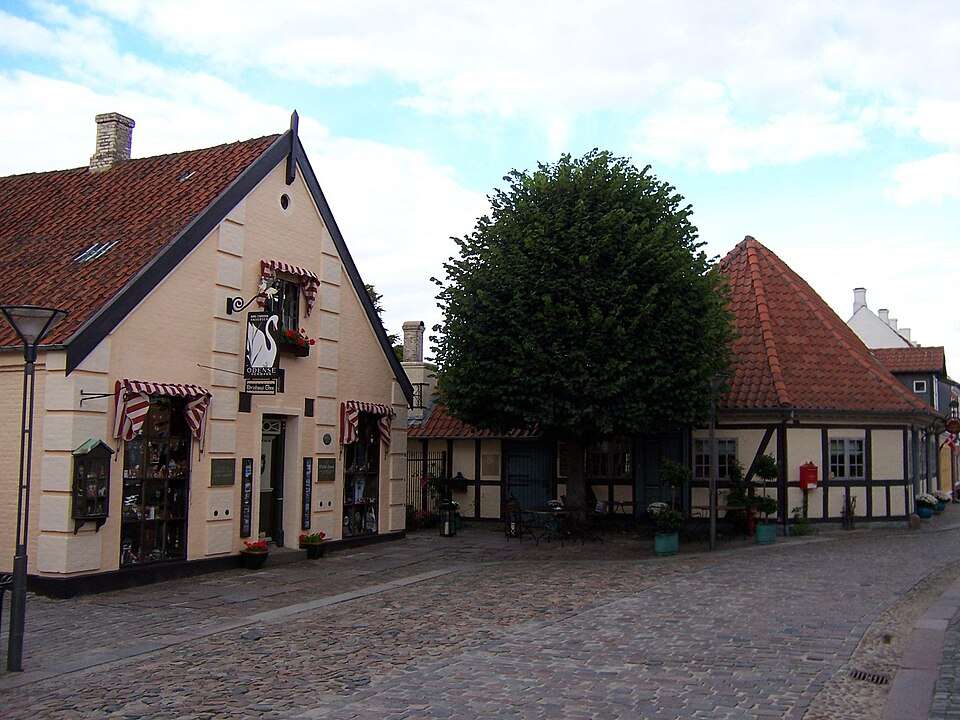
Odense
Andersen’s Birth House, a City Built of Fairy Tales
Louisiana — The Museum on the Sound
Thirty-five minutes north at Humlebæk, the Louisiana Museum of Modern Art has its world ranking as much for where it is as for what it holds: glass corridors linking pavilions through a sculpture park that steps down to the Øresund, with Calder and Moore against the water and Sweden on the horizon. The collection runs Giacometti’s gallery, the Kusama infinity room, and rotating headline exhibitions that Copenhagen treats as events.
The mechanics that matter: closed Mondays, open late — until 10 p.m. Tuesday through Friday — which makes the evening visit the local secret: the crowds drain, the light goes long over the Sound, and the café terrace at dusk is the region’s best museum hour. The walk from Humlebæk station takes ten minutes through the trees.
The temporary shows drive the experience (check what’s on — the permanent hang rotates), the museum café is excellent and priced like it knows it (Humlebæk town feeds you cheaper), and the children’s wing works, making this the rare world-class museum that functions as a family day. Three hours minimum, and the pairing with Kronborg up the same line builds the classic coastal double.
Read the full the Louisiana Museum day-trip page.
Kronborg & Helsingør — Hamlet’s Castle
Ten minutes past Louisiana at the line’s end, Kronborg is the castle Shakespeare chose: Renaissance ramparts at the Øresund’s four-kilometer pinch, built to tax every ship passing between the Baltic and the world, and famous enough as “Elsinore” that the play comes home every August, staged in the courtyard where it belongs.
The visit: the ballroom (Northern Europe’s longest hall), the tapestries, the casemates below where Holger Danske — the sleeping Viking who wakes when Denmark faces its darkest hour — sits in stone, and the ramparts reading Sweden across water close enough to wave at. Summer brings costumed Hamlet performances through the rooms; the UNESCO listing brings the coach groups by late morning, which the opening hour beats.
Helsingør around it holds more than transit: the M/S Maritime Museum of Denmark — built into the dry dock beside the castle, architecture as striking as the exhibits — the old town’s medieval lanes, and the Værftets food hall in the shipyard for lunch at honest prices. The twenty-minute ferry to Helsingborg puts Sweden underfoot for the novelty (ID along). Castle-plus-maritime-museum is the full day; castle-plus-Louisiana is the greatest-hits run of the whole coast.
Read the full Kronborg day-trip page.
Roskilde — Ships and the Royal Floor
Twenty-five minutes west, Roskilde stacks Denmark’s two deep histories. The Viking Ship Museum first: five original eleventh-century ships — scuttled a thousand years ago to block the fjord, excavated in pieces, and reassembled in a hall of light facing the water they sailed. The working boatyard outside builds replicas with period tools, the summer season puts visitors at the oars of a reconstruction on the fjord (booked ahead, weather permitting), and the craft demonstrations make it the region’s best family history stop.
The cathedral second: Roskilde’s twin-spired UNESCO church holds more royal burials than any other — around forty monarchs across a millennium, from Harald Bluetooth’s era to Margrethe’s prepared sarcophagus — in chapels that read as a catalogue of Danish architecture, one dynasty at a time. The floor plaques and gilded vaults make the audio guide worth taking.
The frame: ships in the morning (the boatyard works before the coaches land), cathedral after lunch, and the harbor’s smokehouse for the fish. The town square’s Wednesday-and-Saturday market adds the graze. Late June’s Roskilde Festival — Northern Europe’s largest — converts the town entirely; that week is chosen or avoided, never stumbled into.
Read the full Roskilde day-trip page.
Frederiksborg — The Palace on the Lakes
Forty minutes northwest at Hillerød, Frederiksborg is Scandinavia’s largest Renaissance palace: Christian IV’s red-brick statement rising from three islets in a castle lake, rebuilt after an 1859 fire with brewery money and installed as the Museum of National History — which means the interiors come furnished with the story of Denmark itself, portrait by portrait, up to the current royals.
The essentials: the Chapel (original, fire-spared, where absolutist kings were anointed under a Compenius organ that still plays Thursdays at 1:30), the Great Hall’s reconstruction glory, and the Baroque garden — cascades and clipped parterres climbing the far slope in perfect axial symmetry, free to walk and best from the top terrace looking back. The lake boat in season stitches palace and garden into the postcard.
It is the least crowded of the big three castles and the best interior of them; the sort puts Frederiksborg first for palace people, Kronborg first for story people — and Hillerød’s pedestrian center handles lunch ten minutes’ walk away. The frame: three hours plus garden; combining it with Kronborg in one day works by S-train and local line, with Louisiana’s late hours as the evening finale for the ambitious.
Malmö & Lund — Sweden Before Dinner
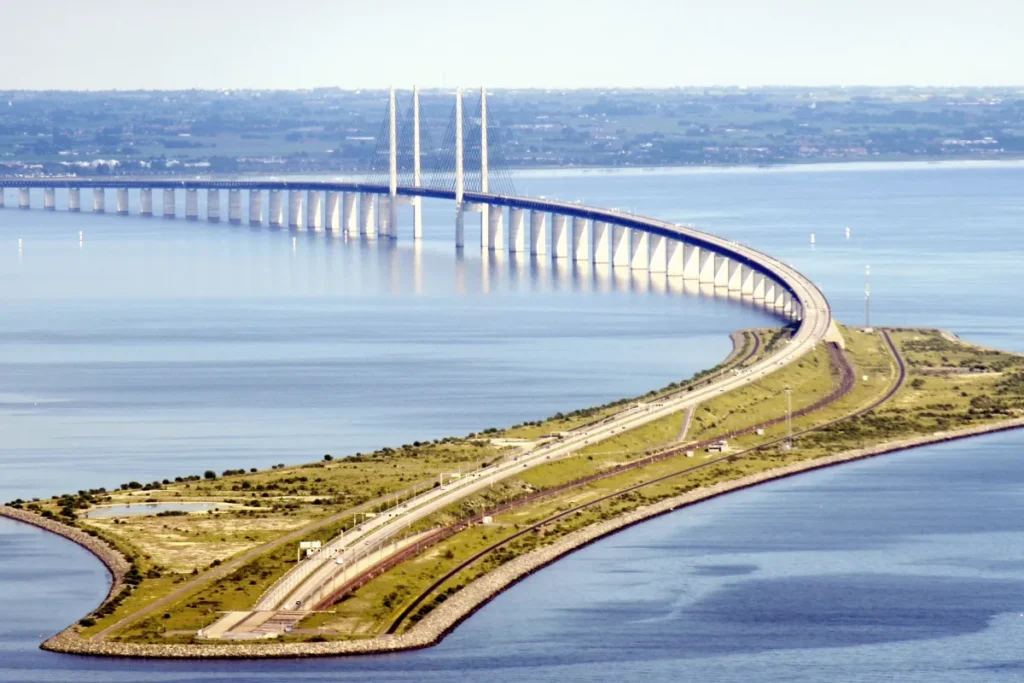
The Øresund Bridge — the rail-and-road span every Nordic-noir viewer recognizes — puts Malmö thirty-five minutes from Copenhagen’s central station, and the only mechanics that matter: bring your passport or national ID, because border checks happen on the Swedish side, and the trains run all day like a metro.
Malmö’s circuit: Lilla Torg’s timbered square and the old town, the Turning Torso — Calatrava’s twisted tower over the regenerated Western Harbour, where the boardwalk swimming culture runs all seasons — Malmöhus castle’s museums, and the falafel truth (Malmö’s is Sweden’s best, a civic institution priced for students). The city reads as Copenhagen’s younger, cheaper cousin, and knows it.
Lund, fifteen minutes on, adds the millennium: the Romanesque cathedral where the astronomical clock plays its knights-and-Magi parade daily (typically at noon and 3 on weekdays, 1 and 3 on Sundays — arrive early; it’s brief and beloved), the Kulturen open-air museum’s town-within-a-town, and a university quarter of cobbles and bicycles that out-Oxfords most of Oxford. Malmö for the modern hour, Lund for the medieval one, and the two-country day home by dinner — with the bridge itself, both crossings, as the connective spectacle.
Read the full Malmö day-trip page.
Nyhavn Honesty, the Rules & Copenhagen Itself
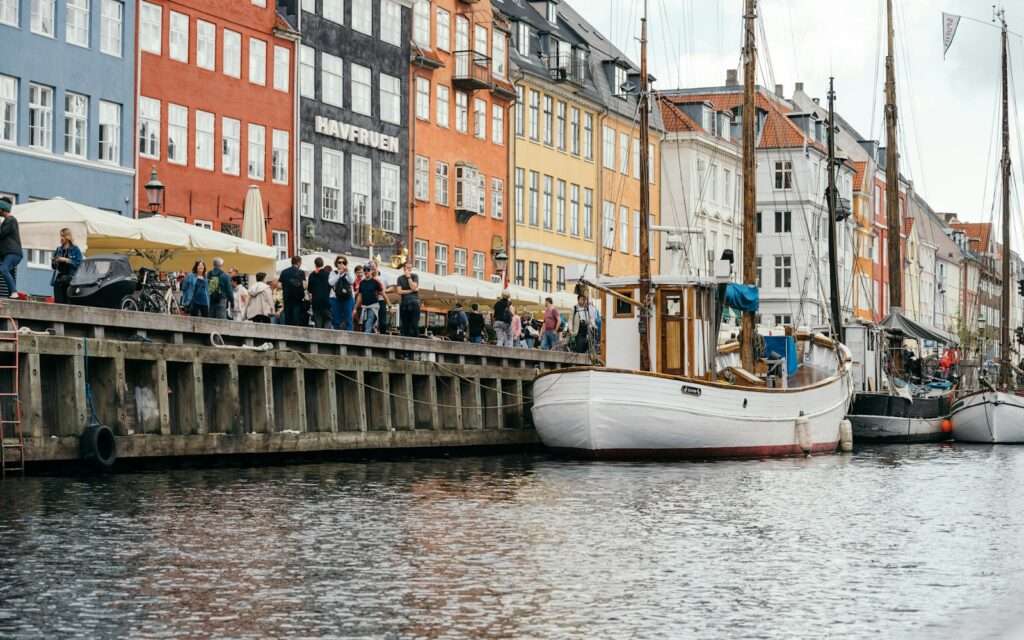
Nyhavn first: the postcard row is real and the canal-side beers cost postcard prices — take the photograph, then drink two streets back. The canal boats from its head remain the correct first-hour orientation, cheap and good. Tivoli runs by season (summer, Halloween, Christmas — each its own dressing) and is best at dusk, when the lamps come on and the gardens do what they were built for in 1843; Rosenborg holds the crown jewels in a lakeside Renaissance box, timed entry advised.
The Christiania register, stated plainly: the freetown welcomes visitors, and its rules are posted and meant — no photography on Pusher Street and its surrounds, no running, and respect that it’s a neighborhood before it’s an attraction. The green-light etiquette isn’t a suggestion; violating it goes badly. Beyond that street, the lakeside workshops and cafés show what the community is.
The living city: cycling is transport and law — keep right in the lane, signal stops with a raised hand, never walk in the bike lane, and rent immediately because the city is built for exactly this; the harbor baths at Islands Brygge formalize the swim-in-the-city habit (the water is clean; the Danes are in it by May); and the smørrebrød rules are simple — lunch only by tradition, fish before meat, one open sandwich at a time with the fork, and the classics (herring, then fried plaice, then roast beef) in that order. Season math: May–September is the full apparatus; December’s Tivoli-and-hygge is the second season; and the Copenhagen Card, priced against three entries and a train ride, usually wins on any castle day — do the arithmetic once and stop thinking about tickets.
Full day-trip pages: Odense.
Frequently Asked Questions
Is the Copenhagen Card worth it for day trips?
Usually, yes — it covers regional trains plus entries at Kronborg, Frederiksborg, Roskilde’s museums, and more, so any castle day tends to clear its price. Do the one-time arithmetic against your plan and then stop buying tickets.
When is the best time to visit Louisiana?
A Tuesday-to-Friday evening — the museum runs until 10 p.m., the crowds drain, and the sculpture park over the Sound takes the long light. Closed Mondays; the Humlebæk station walk is ten minutes.
Do you need a passport for Malmö?
Yes — carry a passport or national ID; checks happen on the Swedish side of the Øresund crossing. Trains run every few minutes, thirty-five minutes over the bridge, and Lund’s noon astronomical clock is fifteen minutes further.
Kronborg or Frederiksborg?
Kronborg for the Hamlet story, ramparts, and casemates; Frederiksborg for the grander interiors, chapel, and Baroque garden. They combine in one train day for the committed — with Louisiana’s late hours as the finale.
What are the rules at Christiania?
Posted and meant: no photos on and around Pusher Street, no running, and neighborhood respect throughout. Beyond that street, the lakeside paths, workshops, and cafés are the freetown visitors remember.